AI-Powered Personalization: How SMEs Can Create Better Customer Experiences at Scale
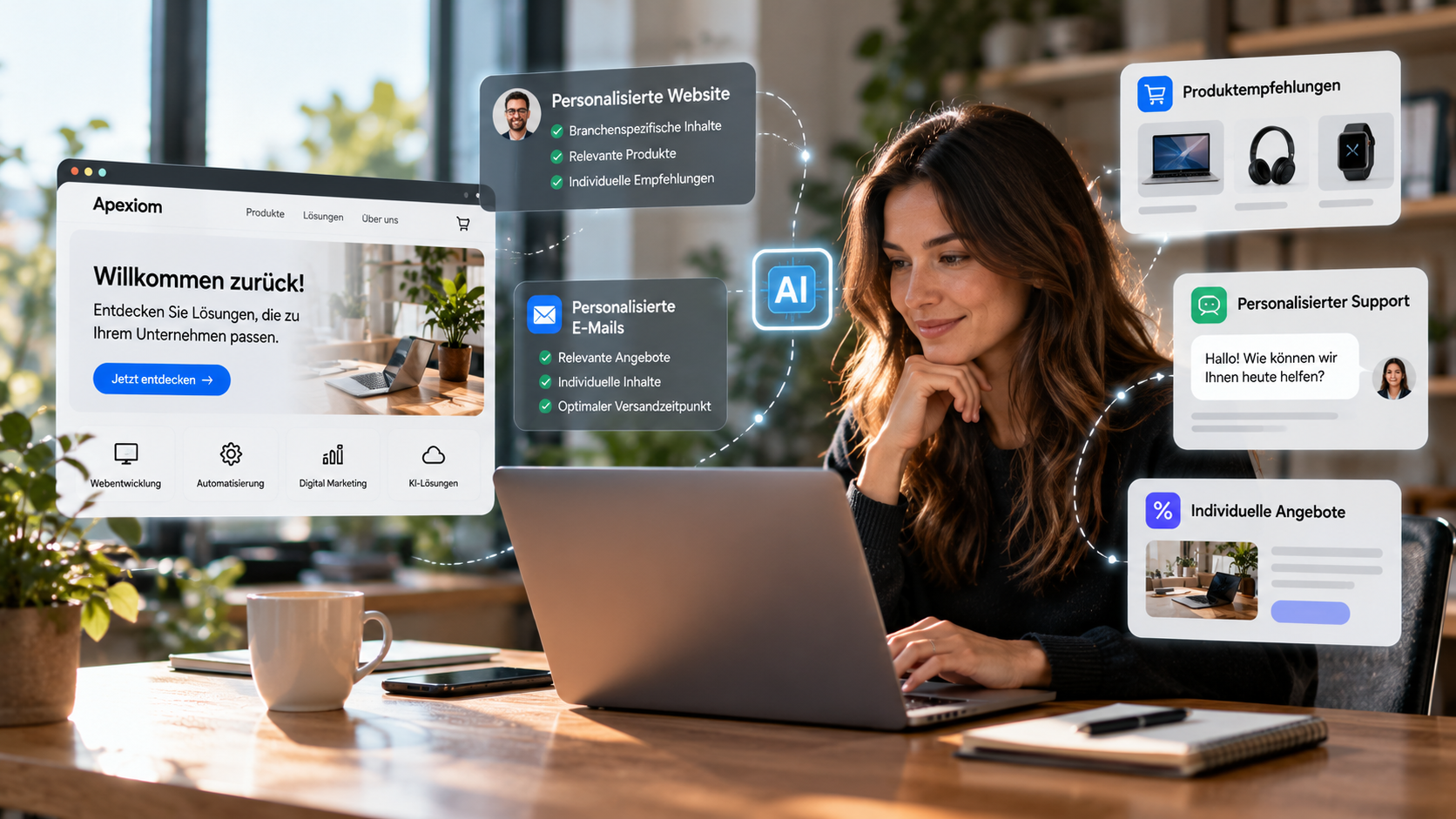
Imagine two customers visiting the same generic online store. One is a bargain seeker hunting for discounts, while the other is a loyal buyer eager to explore new products. Despite both visiting the same site, their distinct needs remain unaddressed.
This scenario presents a significant opportunity for small and medium-sized enterprises (SMEs). By leveraging AI-powered personalization, they can enhance customer experiences and distinguish themselves from competitors.
What is AI Personalization?
AI personalization refers to using artificial intelligence to deliver tailored content and offers to customers. Unlike basic segmentation, which merely categorizes customers into groups, AI analyzes individual user behavior and preferences. This data allows for accurate tailoring of content and offers, improving the overall shopping experience.
How it Works
To effectively implement AI personalization, several steps need to be taken. First, customer data is collected from various sources, such as website interactions and purchase history. This data is then analyzed to gain insights into customer preferences and behaviors. Next, tailored content is delivered via websites, emails, or product suggestions. The effectiveness of these strategies is measured continuously, and adjustments are made for ongoing improvement.
Seven Applications of AI Personalization
Here are seven effective applications that small businesses can implement to enhance customer engagement and sales:
- Personalized Web Pages: Create tailored experiences on your website based on user interests.
- Personalized Email Messages: Send targeted emails based on previous purchases or interactions.
- Product Recommendations: Utilize AI to suggest products that may interest individual users.
- Support Responses: Personalize support by addressing the customer's past interactions.
- Relevant Offers: Provide customers with tailored deals based on their preferences.
- Customer Journey Optimization: Map out personalized customer journeys to increase conversion rates.
- Retention Campaigns: Use personalized incentives to reward loyal customers.
Case Study: A Small Retailer
Let's consider how a hypothetical small retailer can benefit from AI-driven personalization. Before implementing personalization, their website offered generic content, leading to unengaging experiences for both bargain seekers and loyal customers. After introducing personalized experiences that highlight discounts for bargain hunters and new products for loyal buyers, the retailer saw a significant increase in completed purchases.
Key Tools for AI Personalization
Several platforms can help SMEs implement AI personalization effectively. The most prominent include:
- Shopify: Ideal for online stores, it offers extensive customization options.
- HubSpot: A marketing platform with powerful personalization features.
- Klaviyo: Focused on email marketing with advanced segmentation options.
- Mailchimp: Provides various automations, including personalization.
- CRM Platforms: Manage customer relationships and gain valuable insights.
- Workflow Automation: Automate marketing workflows for a seamless customer experience.
Privacy and Legal Considerations
When using customer data, it's crucial to adhere to GDPR requirements, including:
- Lawful Processing: Ensure that data collection is justified.
- Transparency: Clearly communicate how and why data is used.
- Consent: Obtain explicit consent from customers where necessary.
- Data Minimization: Collect only the necessary information.
- Security: Safeguard collected data from unauthorized access.
- Avoiding Intrusive Targeting: Opt for moderation instead of excessive personalization.
Four-Week Rollout Plan for AI Personalization
To initiate AI personalization in an SME, the following steps can be followed:
- Audit Customer Data: Review existing data and analyze its quality.
- Choose One Use Case: Focus on a specific application, e.g., personalized emails.
- Launch a Controlled Pilot: Test the chosen application with a limited audience.
- Review Results and Optimize: Analyze the collected data to make improvements.
Measuring Success
The effectiveness of your personalization strategies can be measured through the following metrics:
- Conversion Rate: The percentage of visitors that become buyers.
- Email Engagement: Open and click rates of your campaigns.
- Repeat Purchases: How often customers return to buy again.
- Average Order Value: The average value of purchases made.
- Customer Satisfaction: Feedback regarding customer experiences.
- Costs: Factor in implementation and operational costs.
Imagine achieving a 20% increase in revenue through your personalization efforts while keeping marketing costs constant. This hypothetical ROI can motivate many SMEs to adopt personalization into their strategy.
Challenges and Pitfalls
Implementing personalization strategies can face various challenges, including:
- Poor Data Quality: Insufficient or inaccurate data can lead to irrelevant recommendations.
- Relevance of Recommendations: Mismatched products can undermine customer trust.
- Overpersonalization: An overly personalized experience may feel invasive.
- Weak Privacy Controls: Lapses in data security can lead to significant issues.
- Lack of Testing: Insufficient testing or optimization of personalization strategies will diminish success.
The Future of AI Personalization
The future possibilities for AI-driven personalization are promising, including:
- Predictive Personalization: AI models analyzing behaviors to deliver tailored offers in real-time.
- Real-Time Personalization: Adjusting content and offers based on user behavior in real-time.
While many of these possibilities are already available, new technologies and features continue to emerge that will further enhance the marketer's experience.
Conclusion and Call to Action
To thrive in today's highly competitive environment, SMEs should embrace AI-powered personalization. Utilize the strategies discussed above to create relevant and engaging experiences for your customers. Explore Apexiom’s tailored AI marketing and automation solutions and start transforming your customer relationships today!
More posts

Let’s build your digital future together
From the first idea to measurable success, Apexiom Engineering is your partner for software, AI and sustainable growth. Made in Germany, personal and on equal footing.